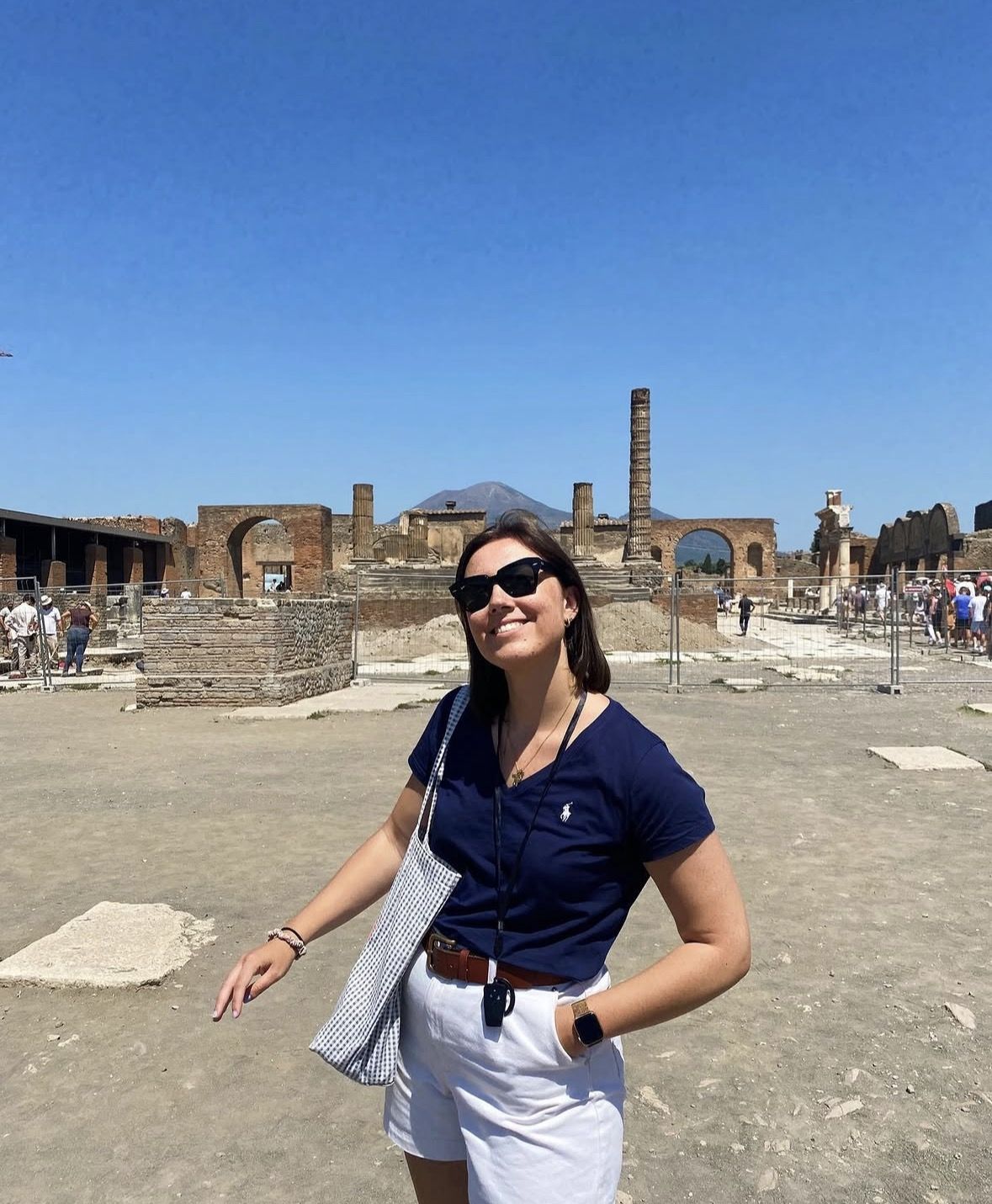
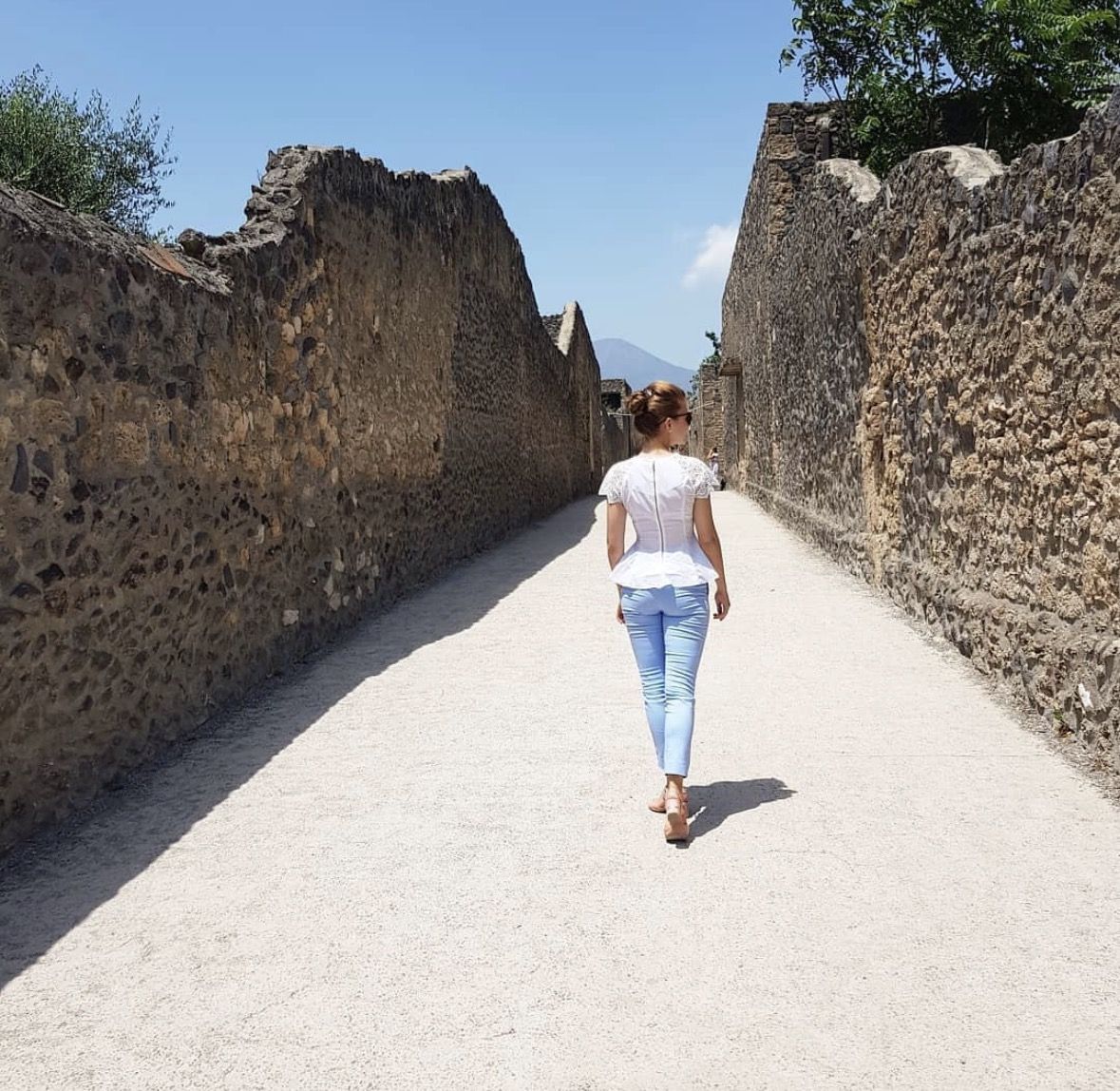
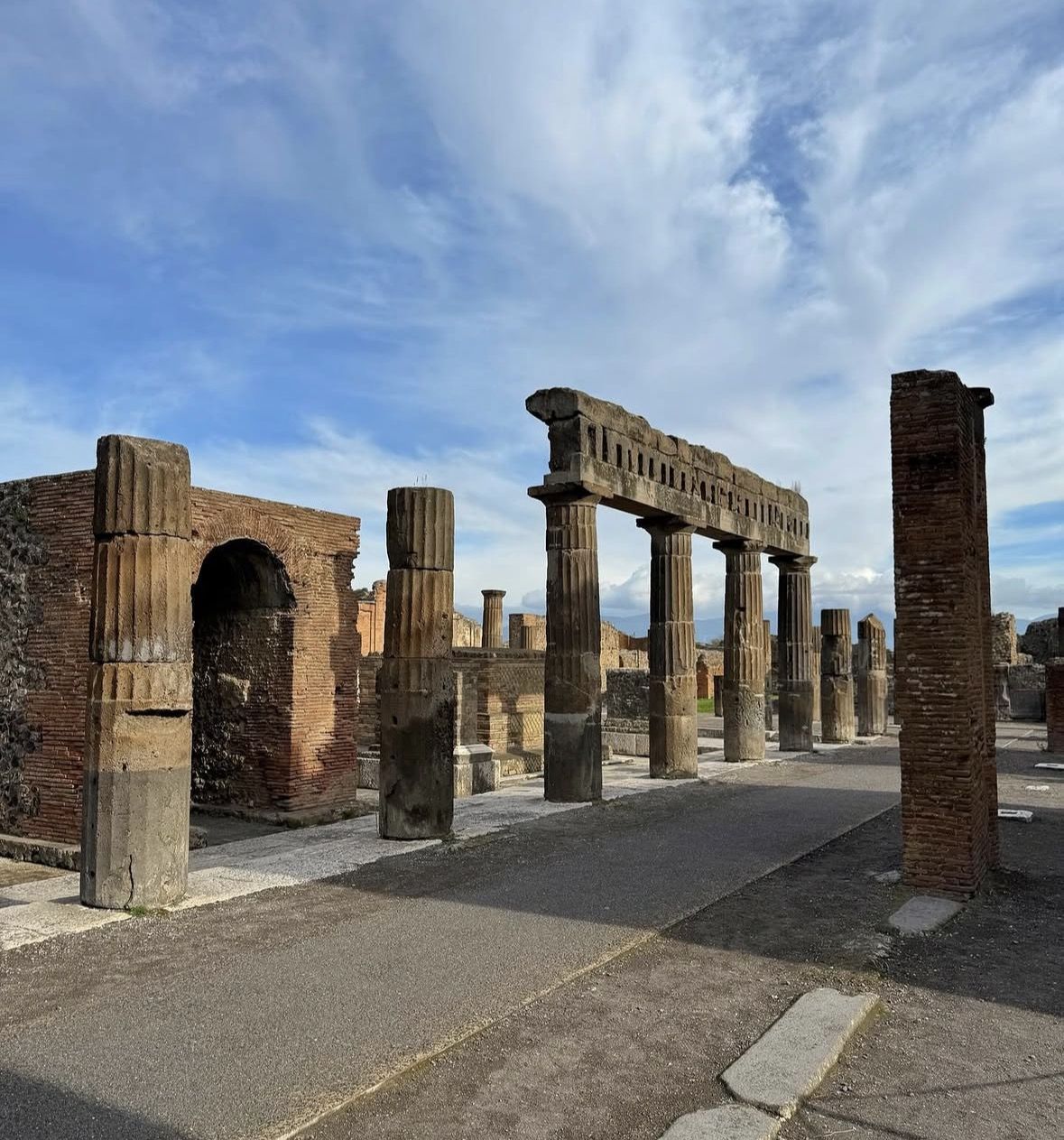
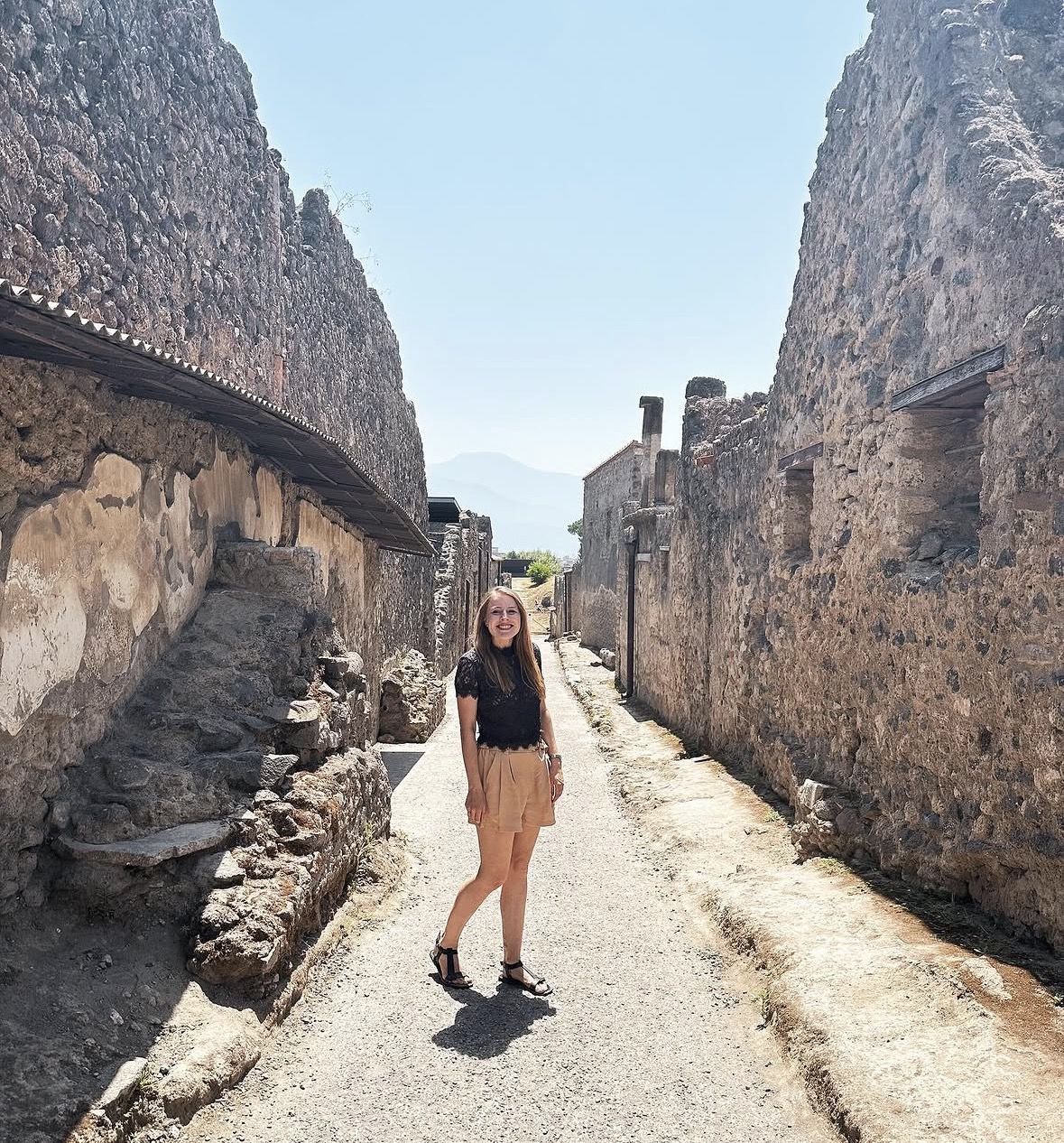
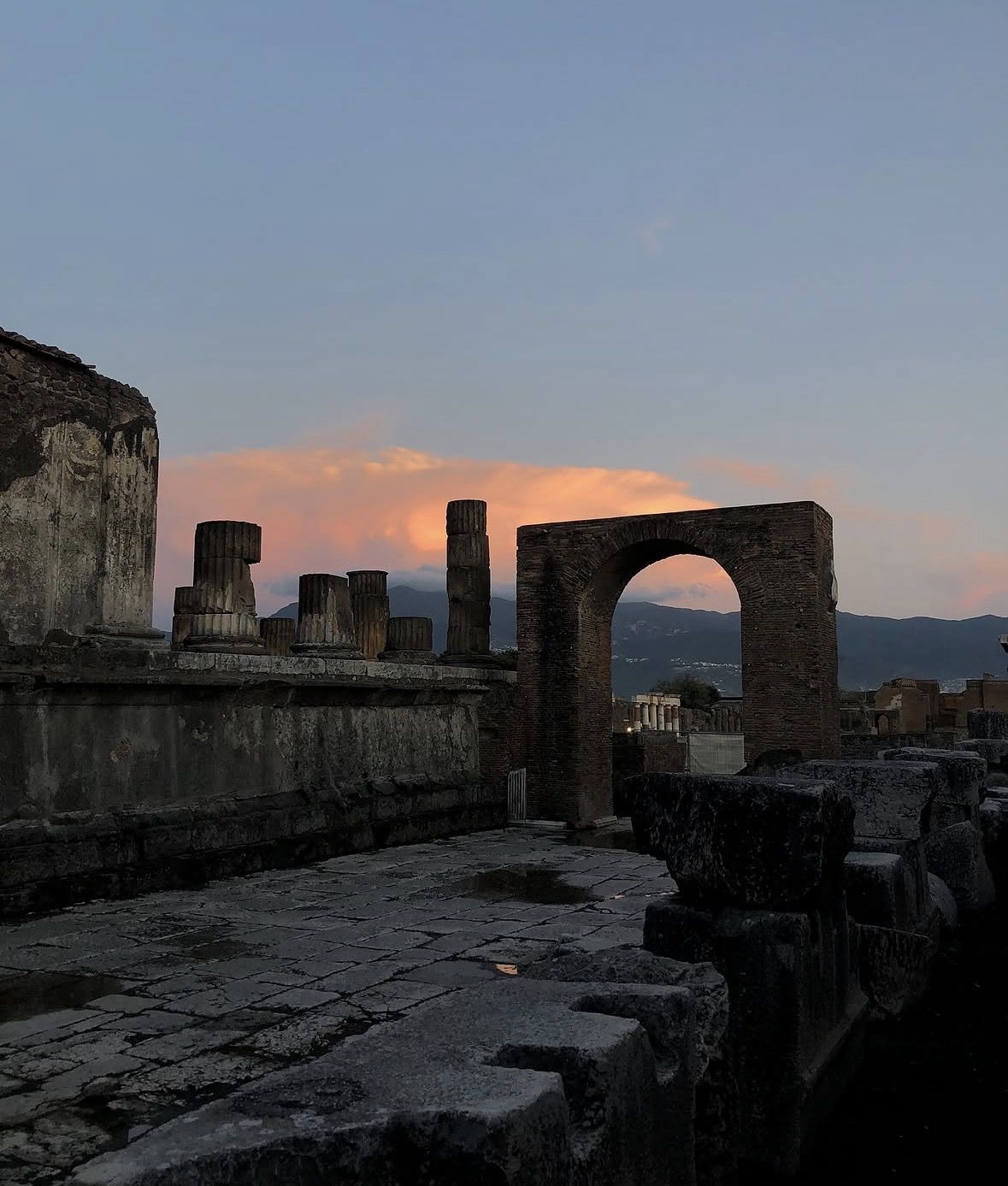
Few places on earth offer such a vivid, unfiltered window into ancient Roman life. Buried by Vesuvius in 79 AD, this extraordinary site continues to astonish millions of visitors every year.
Featured Tour
The Pompeii Small Group Tour with an Archaeologist brings the buried city dramatically back to life. Over two immersive hours, a certified archaeologist guide leads your intimate group through the Western quarter of the ruins, narrating the stories behind every street, temple, and home. With skip-the-line tickets included and no more than 20 guests, you receive genuine personal attention rather than being lost in a crowd. From the haunting plaster casts to the vivid Termopolium, every stop reveals how ordinary Romans actually lived, worked, traded, and celebrated in one of history's most extraordinary cities.
About the Destination
Nestled at the foot of Mount Vesuvius in southern Italy, this UNESCO World Heritage Site sits just 23 kilometres southeast of Naples. It is one of the most visited and most studied archaeological destinations in the entire world.
The site lies within the metropolitan area of Naples, in the Campania region of southern Italy. Positioned on a volcanic plateau above the Sarno River, the ancient city occupies a commanding position between the bay and the mountain. Today the modern town of the same name surrounds the archaeological park, making it easily accessible by train, car, or organised day trip from Naples, Sorrento, or the Amalfi Coast. The surrounding landscape — lush, volcanic, and strikingly beautiful — adds an almost cinematic quality to any visit.
Originally settled by the Osci people around the 7th century BC, the city grew into a thriving Roman colony after conquest in 80 BC. By the 1st century AD it was a bustling commercial hub of roughly 11,000 inhabitants, complete with an amphitheatre, forum, public baths, and a sophisticated water system. The catastrophic eruption of Vesuvius on 24 August 79 AD buried everything under metres of volcanic ash and pumice, preserving an entire civilisation in extraordinary detail for nearly seventeen centuries before rediscovery began in the 18th century.
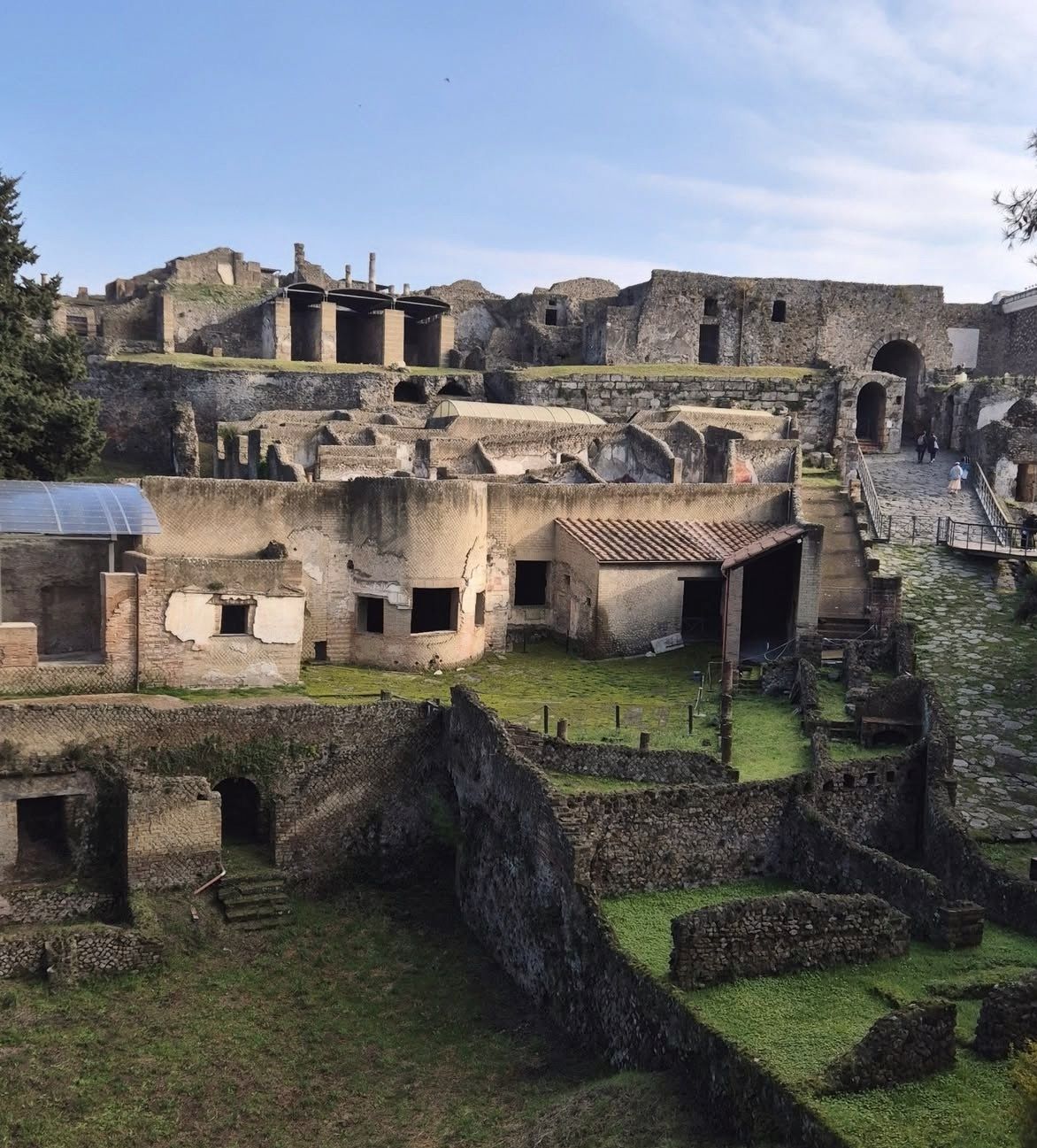
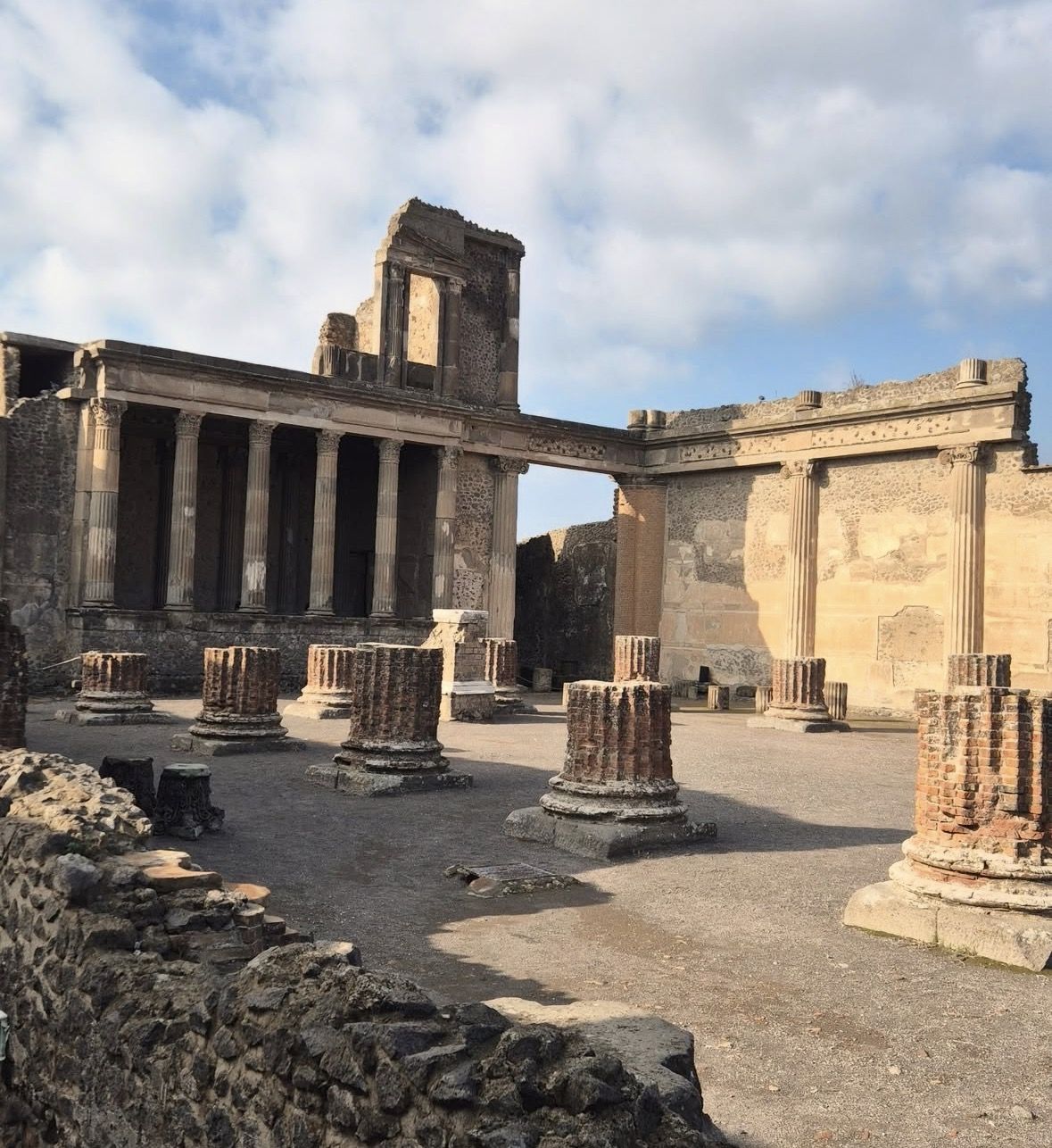
Visiting today feels like stepping onto an open-air film set — except every detail is genuine. Worn chariot ruts still groove the basalt streets; election slogans remain painted on plastered walls; bread ovens stand exactly where bakers left them. The archaeological park is vast, so allocating at least three to four hours is essential. Audio guides, official guides, and licensed tour operators all operate within the site. A visit to the on-site Antiquarium museum rounds out the experience with exceptional artefacts and contextual exhibits.
Mount Vesuvius erupted on 24 August 79 AD, burying the city under up to 6 metres of ash and pumice within hours. The very speed of the catastrophe is what ensured such remarkable preservation of buildings, objects, and even food.
Archaeologist Giuseppe Fiorelli pioneered the technique of pouring plaster into cavities left by decomposed bodies in the ash layer. The resulting casts, over 1,150 in total, capture the final moments of residents with heartbreaking intimacy.
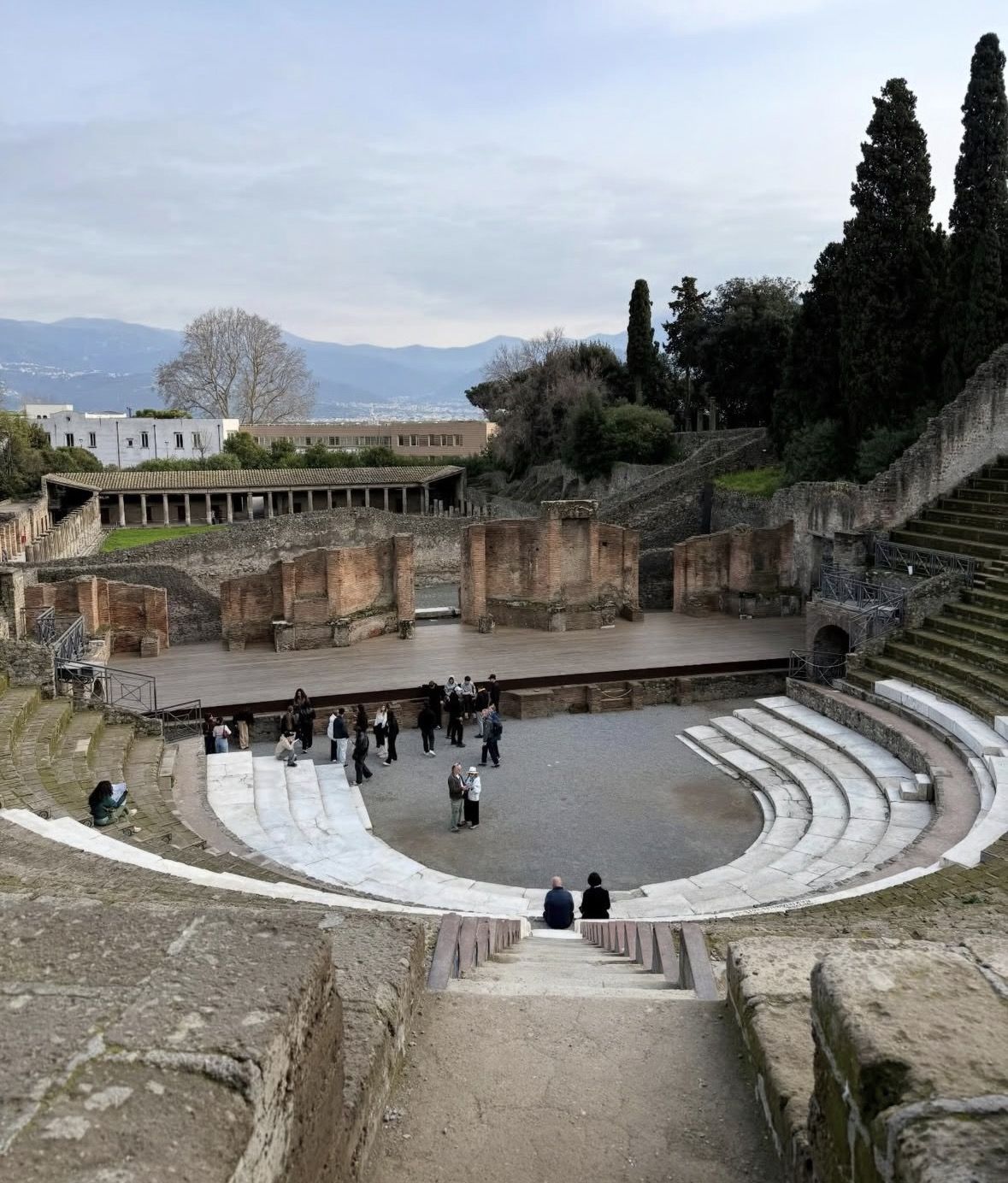
The amphitheatre, dating to 70 BC, is the oldest surviving Roman amphitheatre in the world and could hold up to 20,000 spectators. It famously hosted a gladiatorial riot in 59 AD that led the Roman Senate to ban events there for a decade.
More than 35 bakeries (pistrina) have been identified across the site, some still containing carbonised loaves of bread. This density of food establishments reveals just how urban and commercially active daily Roman life truly was.
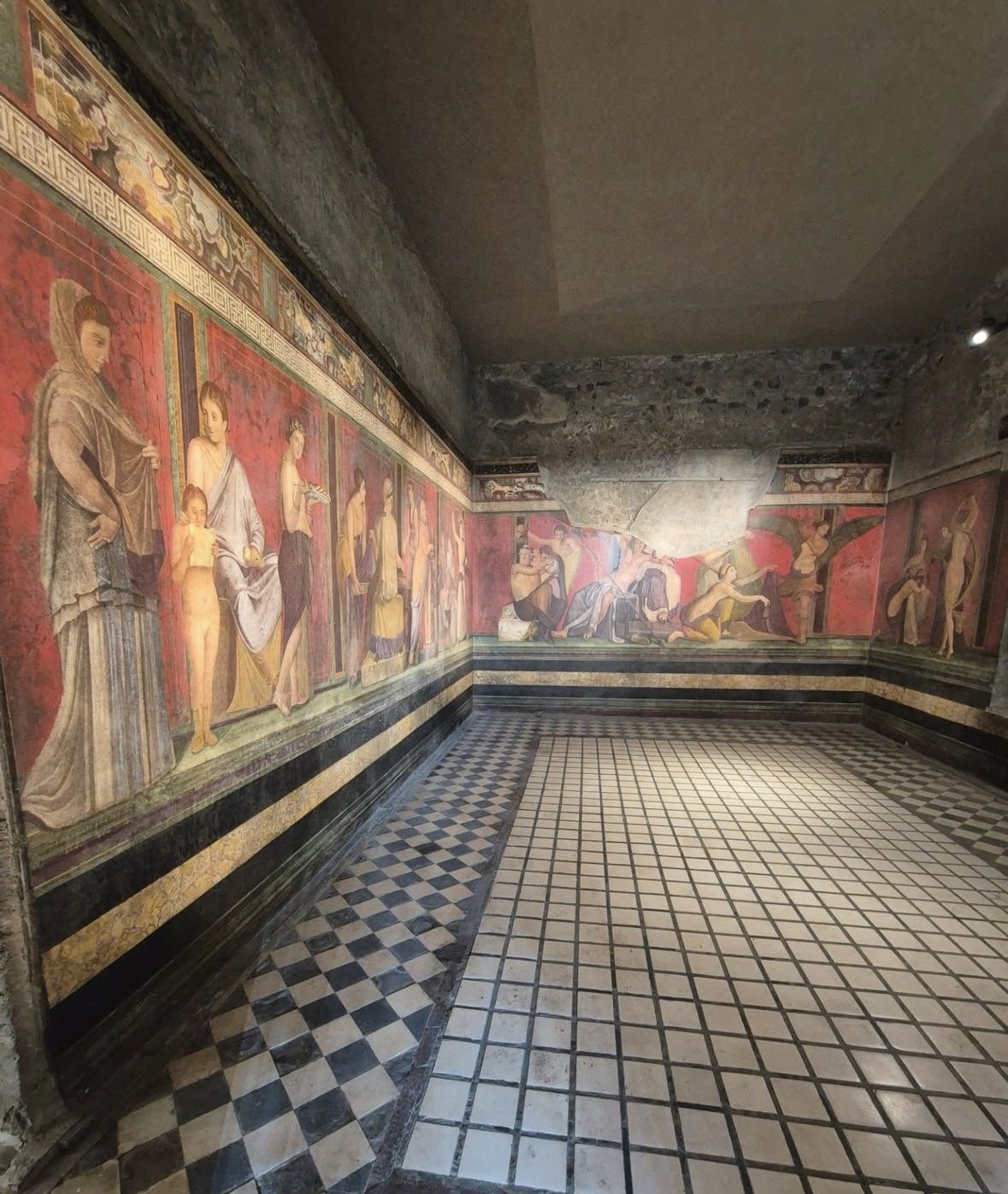
The city contains examples of all four recognised styles of Roman wall painting, making it an unparalleled textbook of ancient decorative art. Many vivid frescoes remain in situ, protected by roofing structures installed by conservation teams.
Over 11,000 individual graffiti inscriptions have been recorded on walls throughout the ruins, covering everything from political endorsements to love declarations and tavern reviews. They offer an unscripted, human voice from the ancient world.
Joining a guided walk with a licensed archaeologist or historian is the single best way to decode what you're seeing. Expert guides illuminate the social history behind every doorway, painting, and worn cobblestone in ways a map simply cannot.
Many visitors combine their ruins visit with a hike to the crater rim of Vesuvius, just 15 kilometres away. The ascent takes around 30 minutes from the car park and rewards hikers with sweeping views across the Bay of Naples.
The recently renovated on-site museum houses an extraordinary collection of artefacts recovered from excavations, including surgical tools, jewellery, mosaics, and plaster casts. It provides essential context before or after exploring the open-air ruins.
The surrounding Campania region is the birthplace of Neapolitan pizza, buffalo mozzarella, and limoncello. Several excellent trattorias in the modern town and nearby Castellammare di Stabia let you refuel authentically after a long day of exploring.
Located just outside the main city walls, this patrician villa contains one of the best-preserved fresco cycles in the ancient world — a mysterious, life-size procession linked to Dionysian ritual that continues to fascinate scholars and visitors alike.
Arriving early — ideally at opening time — allows photographers and slow travellers to wander the quieter back streets in golden morning light before tour groups arrive. The residential neighbourhoods offer particularly atmospheric, crowd-free compositions.
Weighing up the world's great archaeological destinations to find the right fit for your travel style.
Ancient history lovers are spoiled for choice, with iconic ruins scattered across the Mediterranean and beyond. Whether you're drawn by scale, accessibility, preservation quality, or sheer drama, the right site depends on your priorities. Pompeii stands in a category of its own for urban completeness, but travellers often weigh it against other landmark destinations before committing. This table breaks down the key differences so you can plan your itinerary with confidence.
| Crowds | Price | Best For | What Sets It Apart | |
|---|---|---|---|---|
| ★ Pompeii | Very high in summer; manageable early morning or off-season | €18 standard adult entry; guided tours €25–€80+ | Urban Roman life, preservation detail, accessible day trips | Only complete Roman city preserved in its entirety with streets, homes, and artefacts intact |
| Herculaneum | Much quieter — significantly fewer visitors than its famous neighbour | €13 standard adult entry; combo tickets available | Intimate exploration, better-preserved wooden structures, fewer crowds | Smaller but extraordinarily well-preserved; organic materials like wood and food survived here |
| Athens Acropolis, Greece | Extremely high year-round, especially the Parthenon summit | €20 standard entry; higher with combined ticket | Iconic Greek architecture, sweeping city panoramas, cultural prestige | The defining monument of Western civilisation, but less immersive as a walkable city |
| Ephesus, Turkey | High in summer, particularly during cruise-ship days | ~€20–€25 entry depending on season | Roman grandeur, library facades, large-scale monumental architecture | Massive colonnaded streets and the famous Library of Celsus, though less preservation context than Italian sites |
Each of these destinations offers a powerful connection to antiquity, but Pompeii delivers something uniquely affecting: an entire city stopped mid-breath, where you walk the same streets as bakers, merchants, and families did two thousand years ago. No other site matches that combination of scale, urban completeness, and raw human detail — making it an almost obligatory stop for any serious lover of history.
Travel Guide
Everything you need to plan a smooth, unforgettable visit to one of history's greatest archaeological sites.
The most convenient international gateway is Naples International Airport (NAP), served by major European carriers and several long-haul connections via Rome. From Naples, the Circumvesuviana commuter train runs directly to the Pompeii Scavi–Villa dei Misteri station, a journey of approximately 40 minutes costing around €3 each way. This is by far the cheapest and most stress-free option. Travellers arriving in Rome can reach Naples by high-speed Frecciarossa train in under 70 minutes before continuing by local rail.
Once at the main station, the archaeological park entrance is a two-minute walk. If you're based in Sorrento, the same Circumvesuviana line connects you in about 30 minutes. Driving is possible but parking near the site is limited and expensive. Organised coach tours from Naples, Sorrento, and Amalfi Coast hotels typically include transfers, entry, and a guide — a convenient all-in-one option for first-time visitors who prefer not to navigate independently.
April, May, September, and October offer the ideal balance of pleasant weather, manageable crowds, and long daylight hours. Spring brings wildflowers growing between the ancient stones and comfortable temperatures in the low-to-mid 20s Celsius. Autumn delivers golden light, slightly cooler afternoons, and a noticeable thinning of summer crowds. These shoulder months are widely considered the sweet spot for a rewarding visit without the intensity of peak summer or the reduced opening hours of winter.
July and August are the most popular months but also the most challenging — temperatures regularly exceed 35°C, crowds are at their densest, and the open site offers very little shade. Winter months (December–February) are quiet and atmospheric, with mild temperatures around 12–15°C, though some peripheral areas may have restricted access. Rain is most frequent in November and December. Whenever you visit, arriving at opening time (typically 09:00) guarantees the most rewarding experience regardless of season.
The archaeological site is vast, largely unshaded, and surfaced with uneven basalt cobblestones — packing the right items makes an enormous difference to your comfort. A full visit can easily cover 8–12 kilometres of walking. Comfortable, closed-toe shoes with strong ankle support are non-negotiable. Sun protection is critical in warmer months, as there are virtually no shaded rest areas within the central ruins. A refillable water bottle is essential; drinking fountains are available but infrequent.
Layering is wise even in summer, as mornings can be fresh and sea breezes unexpected. A lightweight backpack allows hands-free movement over uneven terrain. Bring a portable battery for your phone or camera — the site's photographic opportunities are seemingly endless. Download an offline map or purchase the official site guidebook at the entrance, as mobile signal can be patchy in parts of the excavation area. Comfortable clothing that covers shoulders and knees is respectful and practical under the strong Italian sun.
Book your entry tickets online in advance — queue times at the ticket office can easily exceed 45 minutes during high season, and pre-booking secures a guaranteed entry slot. Licensed guides must display an official regional badge; always verify credentials before hiring at the gate. Luggage and large bags must be deposited in the cloakroom at the entrance — plan accordingly. Photography is permitted throughout the site but flash photography is prohibited inside the Antiquarium museum.
The modern town surrounding the ruins has excellent, authentic restaurants where you'll eat far better and spend less than at the tourist-facing cafés immediately outside the main entrance. The site has its own café inside, useful for a quick break but limited in menu. Tipping in southern Italian restaurants is appreciated but not obligatory — rounding up the bill is the local norm. Learn a few words of Italian; locals in smaller establishments warm considerably to the effort, and it enriches the entire experience.
No vaccinations are specifically required for travel to southern Italy, though ensuring your routine immunisations (including MMR and tetanus) are up to date is always sensible. EU citizens should carry a European Health Insurance Card (EHIC); non-EU travellers should arrange comprehensive travel insurance covering medical evacuation. The nearest hospital is Ospedale di Pompei on Via Colle San Bartolomeo. Pharmacies (farmacie) in the modern town are well-stocked and pharmacists are typically helpful with minor ailments and advice.
Heat exhaustion is the most common hazard for visitors — drink water consistently, avoid midday sun in July and August, and rest in shade regularly. The cobblestone surfaces can be slippery when wet and particularly challenging for those with mobility difficulties. Pickpocketing can occur at busy entrance points and on the Circumvesuviana train; use a zipped inner bag for valuables. The Italian emergency number is 112 (police, fire, and ambulance combined). Solo travellers and families should stay on marked paths within the excavation zones.
Explore More
The surrounding Campania region overflows with world-class day trips — from the cliffside villages of the Amalfi Coast to the island paradise of Capri and the hidden gem of Herculaneum.

The Pompeii Small Group Tour with an Archaeologist brings the buried city dramatically back to life.
Check this tour →
The Pompeii and Herculaneum Small Group Tour with an Archaeologist is the definitive way to experience the twin victims of Vesuvius's catastrophic 79 AD eruption.
Check this tour →
The Pompeii Guided Tour from Naples with Skip-the-Line Entry is the ideal way to experience one of the world's most extraordinary archaeological sites.
Check this tour →
The Pompeii Guided Premium Tour From Naples is your gateway to one of the ancient world's most hauntingly preserved cities.
Check this tour →
The Pompeii Skip-the-Line Entry Small Group Guided Tour takes you deep into the western quarter of this legendary city, where an archaeologist guide reveals the stories behind…
Check this tour →
The Pompeii 2h Small-Group Tour with Expert Archaeologist takes you deep into the remarkably preserved ruins of this ancient Roman city.
Check this tour →
The Naples & Pompeii Day Tour from Rome: Pompeii Ticket & City Visit takes you south aboard a comfortable air-conditioned coach for a full day packed with history and culture.
Check this tour →
The Pompeii Day Trip from Rome by High-Speed Train and Guided Tour takes you effortlessly from the capital to one of history's most fascinating archaeological sites.
Check this tour →
The Pompeii and Mount Vesuvius Small Group Tour from Naples is a masterfully designed full-day adventure that takes you to two of Italy's most awe-inspiring landmarks.
Check this tour →Traveler Reviews
Thousands of visitors have explored Pompeii and shared their unforgettable experiences — here are some of their stories.
"Walking through the ancient streets felt like stepping back 2,000 years in time. Our guide was incredibly knowledgeable, explaining the daily lives of residents in vivid detail that brought every ruin to life. The plaster casts of the victims were deeply moving and unlike anything I had ever seen before. I would strongly recommend booking a guided tour well in advance, especially if you're visiting in summer."
"This was hands-down the highlight of our entire Italy trip. The sheer scale of the excavated city is breathtaking — you really don't grasp how large it is until you're walking the cobbled roads yourself. Our small-group tour meant we avoided the worst of the crowds and got genuinely personal access to less-visited areas like the Garden of the Fugitives. Absolutely unmissable for anyone with an interest in history."
"A fascinating and humbling place to visit, though be prepared for a LOT of walking on uneven surfaces. We spent nearly four hours exploring and still felt we only scratched the surface. The audio guide was decent, but a live expert guide would have added much more context. Despite the crowds mid-morning, it was well worth every minute."
"I have visited many UNESCO World Heritage Sites, but nothing quite prepared me for the emotional impact of this one. The level of preservation is staggering — you can still see original frescoes, mosaic floors, and even ancient graffiti on the walls. Our guide shared fascinating stories about the residents who once lived here, making it feel personal rather than purely academic. A truly once-in-a-lifetime experience."
"We booked a private skip-the-line tour and it was absolutely the right decision — entry queues looked enormous by mid-morning. Our guide, Antonio, was passionate and funny, and tailored the tour perfectly to our group, which included two curious teenagers who were completely captivated. The Forum, the Lupanar, and the House of the Faun were standout highlights. We left feeling genuinely moved and educated."
"An extraordinary site that genuinely deserves its world-famous reputation. I visited on a weekday in autumn and the crowds were manageable, which made the experience far more atmospheric. Wear comfortable shoes — the ancient basalt stones are beautiful but tough on your feet after several hours. I'd also recommend combining the visit with the nearby National Archaeological Museum in Naples to see the best artifacts up close."
"Our family tour was expertly paced and completely age-appropriate for our kids aged 8 and 11. The guide kept everyone engaged with interactive storytelling and fun historical facts, and the children were fascinated by the plaster body casts and ancient bakeries. We arrived early to beat the heat and the crowds, which made a huge difference to our enjoyment. Already planning a return visit to see more of the excavations."
"As a history teacher, I was already fairly well-read on Roman antiquity, but seeing it in person was an entirely different level of understanding. The intact street layouts, the thermopolium with its painted food jars, and the eerie stillness of empty villas all combine into something profoundly moving. The guided experience we chose included access to restricted areas usually closed to the public, which was extraordinary. This site belongs on every traveller's bucket list."
Watch Before You Go
Watch expert-led video tours and documentary footage that bring two thousand years of history vividly to life before your visit.
Location
The main archaeological park entrance is located at Piazza Esedra 5, 80045 Pompei (NA), Italy, directly adjacent to the Pompeii Scavi–Villa dei Misteri train station.
FAQ
Everything you need to know before you visit — practical tips, ticket advice, and answers to the most common questions about planning your trip.
Ready to walk the streets of ancient Rome for yourself?
Book Your Tour NowDiscover More
From Oscan settlement to Roman colony to catastrophic volcanic burial, the story of this ancient city spans millennia of extraordinary human drama. Discover how excavations began in the 18th century and how each new dig continues to rewrite what we know about the ancient world.